Systematic Manifesting: Results-Only Manifestation
Systematic manifesting is a data-driven, predictable methodology developed by Joseph Alai over fourteen years of tracking patterns and testing. Instead of relying on random techniques, hoping, or guessing, it focuses on impressing the subconscious mind through targeted imaginal acts. By treating manifestation like a science, practitioners can reliably produce tangible results in physical reality.
What Joseph teaches
Traditional manifestation advice is often flooded with conflicting information, random techniques, and endless theories that leave practitioners guessing whether a method will work. Joseph Alai approached this field through the lens of a mathematics, computer science, and physics background, treating manifestation not as mystical wishful thinking, but as a systemized discipline. Over more than a decade of tracking thousands of personal and community data points, Joseph established a repeatable, turnkey framework for moving from mere hoping to absolute knowing.
At the core of Joseph Alai’s methodology is the understanding that human awareness or consciousness is the I AM of scripture, and physical reality is simply the push-out of the contents of your imagination. Rather than struggling to physically control people, circumstances, or events in the 3D world, systematic manifesting focuses entirely on the internal construction of an imaginal scene. By impressing the subconscious mind with intensity, reality rearranges itself through an intricate, perfectly orchestrated network of events and impulses.
Core principles
Data-Driven Testing and Pattern Recognition
Systematic manifesting discards random guesswork in favor of scientific testing. Drawing from a background in mathematics, computer science, and physics, Joseph Alai spent fourteen years tracking thousands of individual manifestations and analyzing recurring patterns. Just like running a controlled test in a laboratory, practitioners can put specific imaginal acts to the test, gather data on what works, and refine their approach for predictable, repeatable outcomes rather than hoping for the best.
Impression of the Subconscious Mind
Manifestation operates by constructing reality from the inside out through the contents of your subconscious. The primary mechanism of systematic manifesting is effectively impressing your subconscious mind. When an imaginal act is performed with sufficient intensity, it leaves a definitive stamp on your subconscious awareness. Physical reality subsequently shifts as a natural consequence, often signaling that the subconscious has accepted the new state long before the final physical manifestation fully fulfills.
Awareness as the God of Scripture
True manifestation is anchored in the realization that human awareness is the ultimate causative power. Referencing biblical interpretation and Neville Goddard's teachings, Joseph Alai highlights that the divine name 'I am' translates directly to awareness or consciousness. Everyone is you pushed out, meaning that the singular awareness of being acts as the creator of all external circumstances, rather than the localized physical brain acting alone.
Relinquishing 3D Control and Micro-Management
A major trap in traditional advice is believing you must physically manipulate people, fix situations, or figure out the logistics of how a desire will unfold. Systematic manifesting teaches that you do not have to orchestrate the steps. Instead, reality unfolds through an intricate, meticulously conjured network of events and internal impulses—such as a sudden urge or a spontaneous action—that effortlessly guide you and others toward the fulfilled desire.
Common misunderstandings
You must physically convince people and control external circumstances to make your manifestation happen.
Joseph Alai teaches that trying to manipulate or logic your way through changing other people's minds is unnecessary. Reality shifts independently through subconscious impression and inner imaginal acts, prompting external events and impulses to align naturally.
Manifestation is an unpredictable art form based purely on belief, positive thinking, or luck.
In contrast to generic advice, Joseph Alai treats manifesting as a systematic, data-driven science. Through rigorous testing, pattern tracking, and repeatable processes, you can achieve predictable results without leaving your success to chance.
Everyone is your mind pushed out, meaning you control every individual's thoughts directly.
Joseph clarifies that 'everyone is you pushed out' refers to the shared self of man, which is God or universal consciousness, rather than treating other people merely as puppets of your localized brain.
How to apply it
Executing a Controlled Imaginal Test
- Select a specific, measurable desire or scenario to put to the test.
- Construct a concise imaginal scene that implies the absolute fulfillment of your desire.
- Immerse yourself in the scene with intensity until your subconscious registers the impression.
Tracking Results and Analyzing Data
- Document your imaginal acts and the precise time or date they were performed in a dedicated journal.
- Observe subsequent shifts, signs, or 3D occurrences (such as unexpected confirmations) without forcing physical outcomes.
- Review your tracked data over time to refine your methodology and build unshakeable confidence in the system.
Questions people ask
What is systematic manifesting as taught by Joseph Alai?
Systematic manifesting is a results-oriented, data-driven approach to manifestation created by Joseph Alai. Drawing from a background in mathematics, computer science, and physics, Joseph spent fourteen years tracking patterns to turn manifestation from random guesswork into a predictable, repeatable science based on impressing the subconscious mind.
How does Joseph Alai distinguish his teachings from generic manifestation advice?
While generic advice often relies on vague positive thinking, endless unverified techniques, and emotional hoping, Joseph Alai emphasizes scientific testing, tracking raw data, and using turnkey methodologies. He focuses strictly on what produces measurable, reliable results rather than repeating ungrounded new-age tropes.
Why is impressing the subconscious mind important in this framework?
The subconscious mind acts as the foundational constructor of your physical reality. When you successfully impress the subconscious through an intense imaginal act, your reality naturally shifts to match that internal state, leading to tangible external manifestations.
Do I need to figure out how my manifestation will happen in the physical world?
No. Joseph Alai explains that you do not need to control or plan how events unfold. External circumstances, people, and events are moved through an intricate network of perfectly orchestrated impulses and occurrences once your subconscious is impressed.
What role does the Bible play in Joseph Alai's systematic methodology?
Joseph interprets biblical scripture through the lens of manifestation, noting that names like 'I am' represent human awareness or consciousness. His systematic approach aligns foundational scriptural principles with logical, testable mental laws.
How can I start testing systematic manifesting right now?
You can start by choosing a specific desire, constructing a clear imaginal scene that implies its completion, and experiencing it with mental intensity. Keep a journal to track your sessions, observe the ensuing shifts in reality, and gather your own results-driven data.
Ask the Advisor
- How can I apply Joseph Alai's data-driven testing method to a specific financial or relational goal?
- What is the exact distinction between trying to control the 3D reality versus impressing the subconscious mind?
- How do I properly construct an imaginal scene that maximizes subconscious impression according to systematic principles?
Joseph Alai source videos
 2026-08-04
Systematic Manifestation: Results Only Based Manifesting
Oh. I had forgotten to put the microphone on. Hopefully you can hear it now. Y'all gotta tell me. Okay, very good. How's it going, everyone? By the wa
 2025-04-16
Systematic Manifesting #manifesting check the comments for the survey! Be a Systematic Manifestor!
Hey. This is Joseph Ally here. I've got something really exciting for you. Now if you follow my channel, you know that I test manifesting, right, in a
 2025-12-08
The End of ‘Hoping’ — Start Manifesting with Scientific Precision (Systematically)
After 14 years of relentless pursuit—from ancient texts to modern New Age teachings—Joseph Ally finally cracked the code on manifestation. Not with bl
 2024-09-14
Let's Talk Manifesting: Make the Impossible Possible (Results Only)
https://www.patreon.com/manifesting_mastery (JOIN THE EXCLUSIVE MANIFESTING DISCORD) Ready to turn your dreams into reality? Join me live for an inter
 2024-08-27
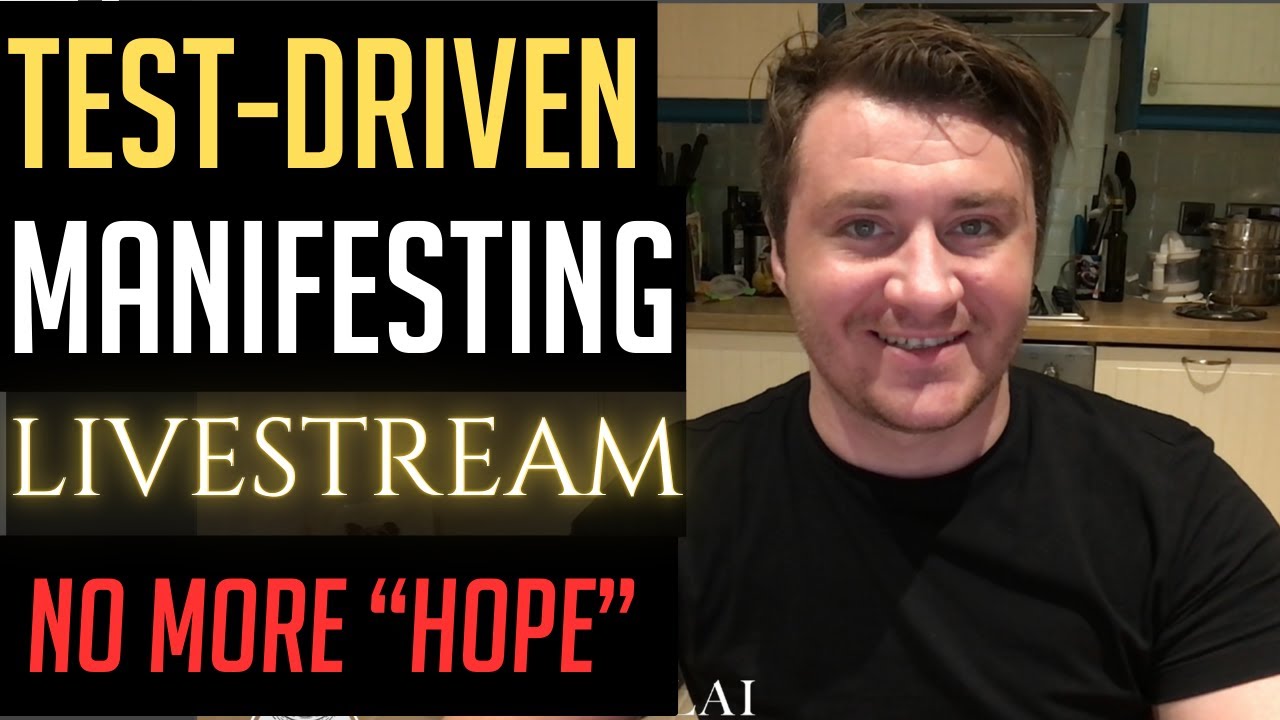
TEACHING LIVE "Results-Driven" Manifesting: Ditch HOPING for KNOWING
https://www.patreon.com/manifesting_mastery (MANIFESTING DISCORD) Join me live as I dive into "Results-Driven" Manifesting, where you'll learn the no-
 2024-01-30
Master Imaginal Acts: Predictably Unlock Manifesting (SYSTEMATICALLY)
Unlock the Power of Your Imagination and Manifest Your Desires with Precision and Ease! [ 00:00:11 ] Introduction to Manifesting Desires [ 00:01:34 ]